In our previous blog posts, we explored the profound emotional connections people share with textiles, from the earliest moments of life and the enduring bond with transitional objects to the enchanting world of “cuteness” in textiles. We’ve delved into the significance of textiles in our lives and the power they have to shape our emotions and memories.
Today, let’s embark on a new chapter in our textile journey—one that’s pivotal for our future and the well-being of our planet. We’re going to discuss the vital role of sustainability in textile production, the importance of ethical practices, and how they contribute to fostering emotional connections with our clothing. We’ll also explore how consumers can make mindful choices in their clothing purchases, creating a positive impact on both the environment and their own emotional connections.
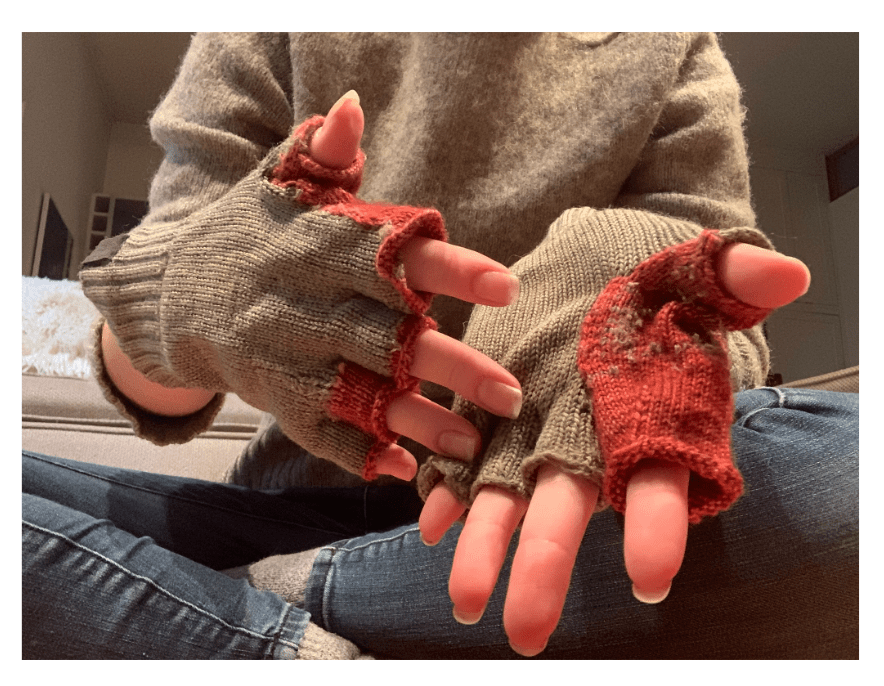
Recapping the Emotional Tapestry
Before we dive into the realm of sustainability, let’s take a moment to recap the emotional tapestry we’ve woven through our previous blogs.
In “Swaddled in Memories,” we explored how textiles are there from the very first breath we take. They cradle us, protect us, and become our earliest companions. We also delved into the concept of “cuteness” in textiles, highlighting how certain design elements can evoke feelings of happiness and protection.
Then, in “The Significance of The Bear,” we celebrated the enduring connections we have with transitional objects like teddy bears. We realized that even as adults, we hold on to these cherished companions, underscoring the deep emotional bonds we form with inanimate objects.
Now, let’s take this emotional journey further, considering how sustainability in textile production can strengthen our connection to the clothing we wear.

Sustainability and Ethical Production
The fashion industry, with its fast-paced trends and disposable culture, has taken a toll on the environment and the people involved in its production. It’s a problem I’m deeply familiar with, as I’ve had a clothing company for 20 years now, and I’ve seen the impact it can have.
As of this year, 2023, I find myself at a crossroads. Ever since I closed my stores, it has been hard for me to keep making and selling clothing because I don’t want to be a part of the problem anymore. Despite my best efforts to be a sustainable and ethical designer throughout my career, the challenges of the industry have left me questioning the very foundations of how we approach clothing production.
But I’m not giving up. In fact, I’m reinventing what it means to run a sustainable company and create products. I’m approaching it in a whole new way—one that aligns with my commitment to sustainability, ethical practices, and the emotional connections we have with our clothing.
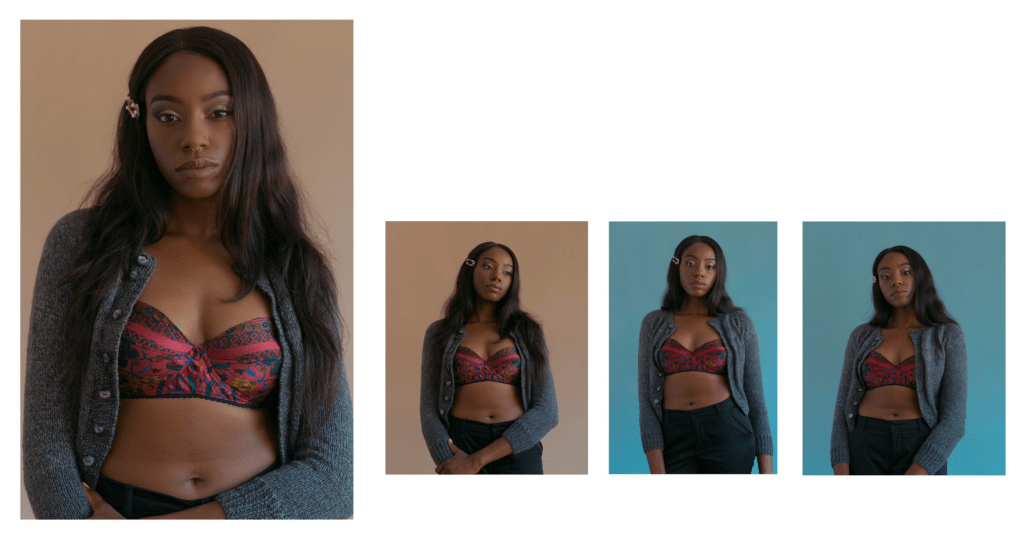
(bra made from a vintage Liz Claiborne Scarf)
Mindful Choices in Clothing Purchases
As consumers, we have the power to drive change through our choices. When you choose garments that are produced sustainably and ethically, you’re not just buying a piece of fabric; you’re investing in a story. You’re supporting a process that values the hands that create the textiles, the communities that depend on them, and the environment that provides the raw materials.
When you choose sustainable clothing, you’re choosing a connection with the planet and the people who make it all possible. It’s a step toward a more harmonious relationship with your clothing and a sustainable future for us all.
Here are some ways to make more mindful choices in your clothing purchases:
1. Research Brands: Take the time to research brands and learn about their production practices. Look for certifications that indicate sustainability and ethical standards.
2. Quality Over Quantity: Invest in high-quality garments that are built to last. Quality textiles can stand the test of time and hold more sentimental value.
3. Second-Hand Shopping: Explore second-hand and vintage clothing stores. Buying pre-loved items not only reduces waste but also adds unique pieces to your wardrobe.
4. Support Local: Seek out local artisans and designers who create clothing with a focus on sustainability and ethical production.
5. DIY and Repurposing: Get creative with do-it-yourself projects and repurpose old clothing into something new and exciting.
6. Care for Your Clothing: Extend the life of your garments by taking proper care of them. Follow care instructions, mend, and repair when needed.
By making these mindful choices, you not only contribute to a more sustainable and ethical industry but also deepen your emotional connection to your clothing. Each piece becomes a part of your journey, carrying with it the stories of its creation and your choice to support responsible practices.
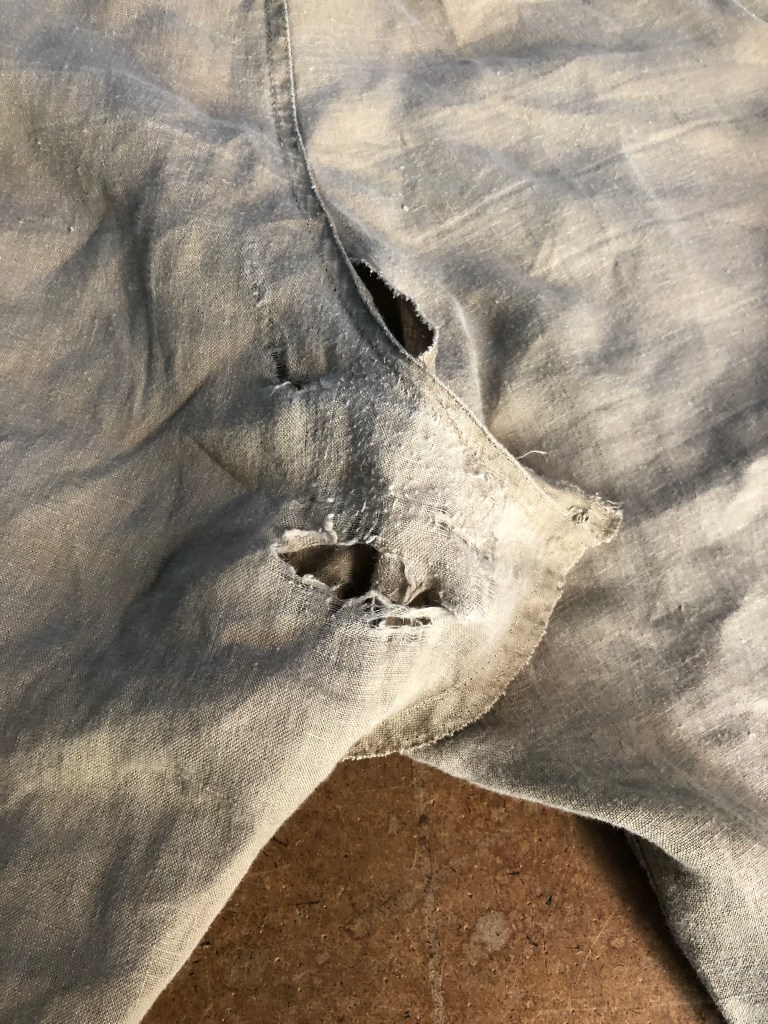
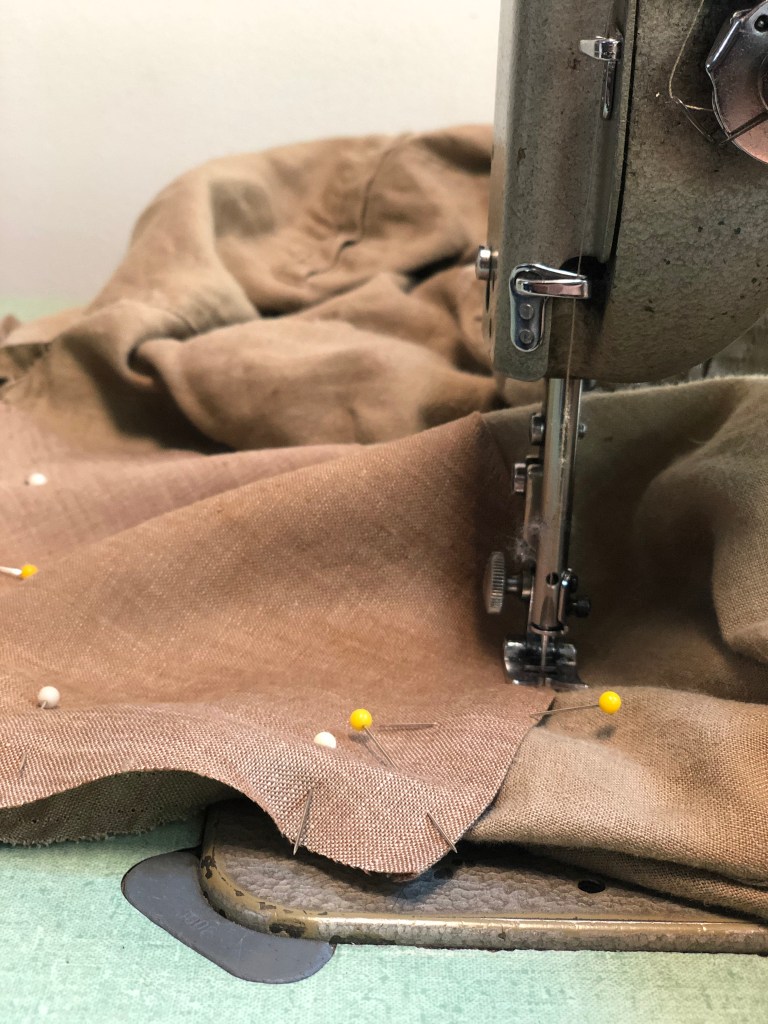
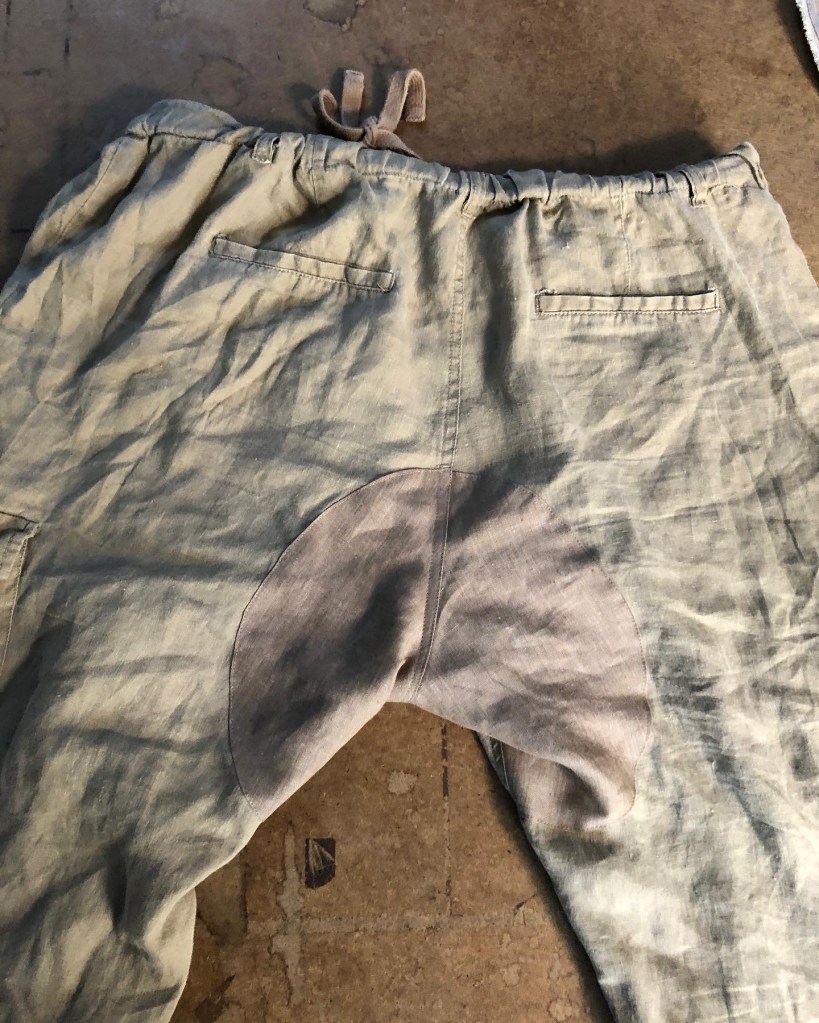
(Repairing linen pants for a friend)
A Sustainable, Emotional Future
In the textile industry, sustainability and ethical production are not just buzzwords; they are a path to a more emotionally connected and harmonious future. Our clothing choices have the power to shape the world we live in, reflecting our values, and fostering connections with the very fabric of our lives.
So, as we continue our journey through the intricate world of textiles, let’s remember that every choice we make in supporting sustainable and ethical production contributes to a more sustainable and emotionally enriched future. Our connection with textiles goes beyond the surface; it’s a thread that binds us to the world and to each other. Together, we can craft an emotional tapestry that reflects our values, connects us to the past, and paves the way for a more sustainable and harmonious future.

 Stephanie Ostler
Leave a comment