When was the last time you gazed upon something so adorable that you couldn’t resist smiling? That feeling of warmth and affection is what we often associate with “cuteness.” But have you ever wondered why certain things are just so irresistibly cute, and what impact that cuteness has on our emotional connections?
As a textile enthusiast with a deep interest in the emotional bonds we form with fabrics and objects, I couldn’t help but explore the enchanting world of “cuteness” and its connection to textiles. What is it about a teddy bear’s round, fuzzy face or a plush puppy’s big, innocent eyes that makes us feel so connected to them?
The Science of Cuteness
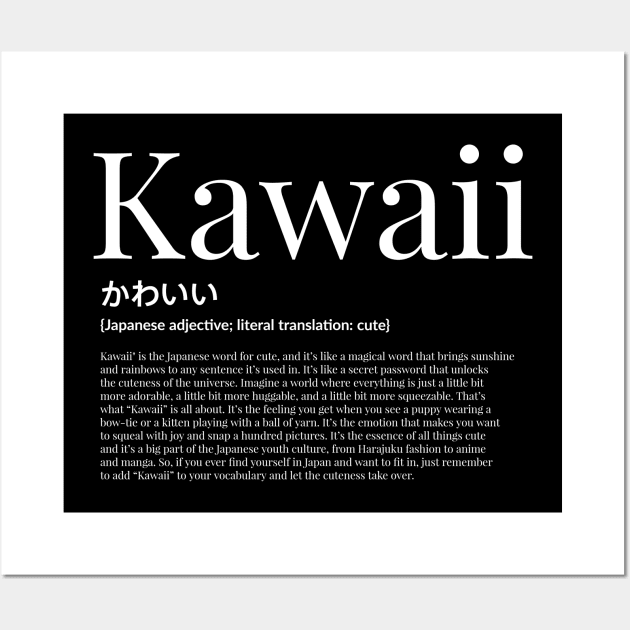

The concept of cuteness, also known as “kawaii” in Japanese, is more than just a passing feeling, it’s deeply rooted in human psychology. Research suggests that our brains are wired to respond positively to things we perceive as cute. Studies have shown that when we see something adorable, it triggers the release of oxytocin, often called the “love hormone,” which is associated with bonding, empathy, and affection. No wonder we can’t resist the charm of a cute kitten video or a fluffy bunny!
Cuteness in Product Design
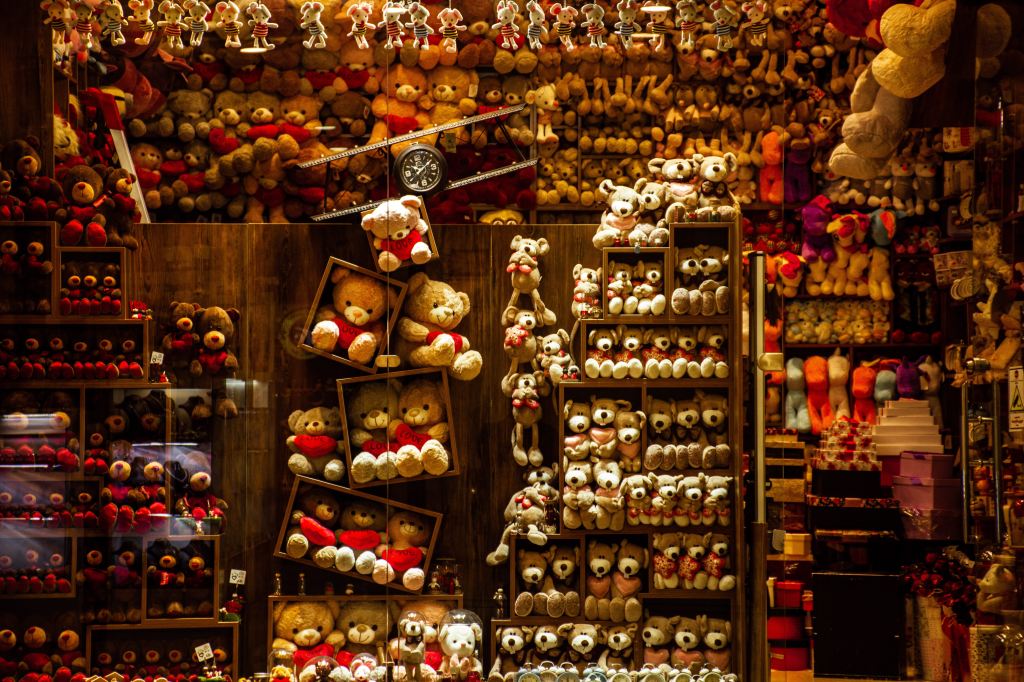
Product designers have long recognized the power of cuteness. From children’s toys to everyday items, cuteness is strategically incorporated into various products to evoke feelings of happiness, comfort, and protection. Think of your childhood stuffed animals, baby blankets, or even the smiling faces on your child’s lunchbox. Cuteness in product design can be a powerful tool to make us care for and cherish those items.
But can we harness this concept to extend the lifespan of our clothing and textiles, ultimately contributing to sustainability?
Cuteness in Sustainable Fashion
In the world of fashion and textile design, the concept of “cute” might not always be the primary focus. However, integrating cuteness into sustainable fashion can lead to longer-lasting emotional connections with our clothing. When we adore the way a garment looks and feels, we’re more likely to take better care of it and keep it for a more extended period.
Imagine opening your closet and being greeted by a collection of clothing items that not only make you look good but also make you feel good. The emotional connection with these items encourages mindful care and responsible consumption.
My exploration of cuteness in textiles led me to a profound realization. It’s not just about adding button eyes and soft textures to every piece of clothing or textile. Cuteness isn’t just a superficial design element; it’s about forging emotional connections. To test this, I embarked on creating my first teddy bear. As I sewed the pieces together and added the eyes and nose, something magical happened. It wasn’t just a collection of fabric and stuffing; it became a cherished companion. The process of crafting it and the final result touched my heart in a way I hadn’t anticipated.

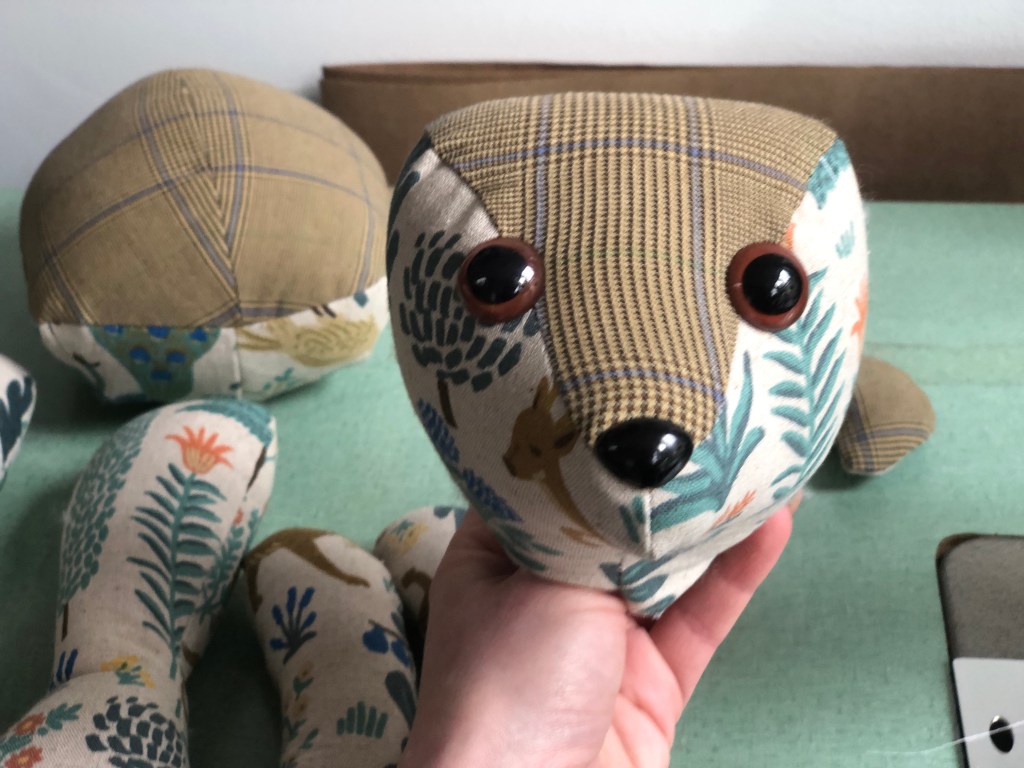

The power of cuteness is undeniable. It goes beyond aesthetics; it’s about the emotions, memories, and connections we form with objects, especially textiles. While adding cute features to our clothing might not be the ultimate solution to all our environmental challenges, it does encourage a deeper connection with our possessions.
As we explore the concept of cuteness in textiles and sustainable fashion, we might find new ways to enhance our relationship with our clothing and ultimately reduce our environmental footprint. It’s a journey that goes beyond appearances, diving deep into the heart of what truly matters in our connection to textiles – our emotions.
So, the next time you see a pair of adorable, big-eyed socks or a cuddly, soft sweater, remember that it’s not just about fashion – it’s about the emotional bond you’re creating with your clothing.

 Stephanie Ostler
Leave a comment